Data Layer Database Full-Text Search: PostgreSQL vs Elasticsearch vs Algolia Full-text search often looks easy at the start. You store text, run a query, and return results. However, once users...
Data Layer Database Time-Series Data in PostgreSQL with TimescaleDB Time-series data appears everywhere: metrics, logs, financial events, sensor readings, and analytics dashboards. Although PostgreSQL can store time-based data, it...
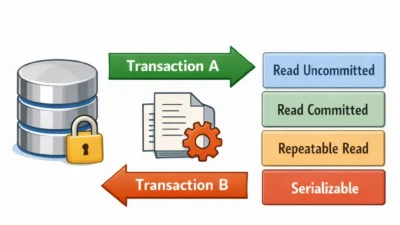
Data Layer Database Database Transactions and Isolation Levels Explained Transactions are the foundation of reliable database systems. Every payment, order, or state change you trust in production depends on...
Data Layer Database Prisma ORM: The Complete Guide for Node.js and TypeScript Prisma has quickly become one of the most popular ORMs in the Node.js ecosystem. Its core promise is simple: type-safe...
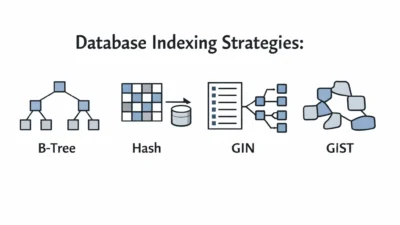
Data Layer Database Database Indexing Strategies: B-Tree, Hash, GIN, and GiST Indexes are one of the most powerful performance tools in any database—and one of the easiest to misuse. Adding an...
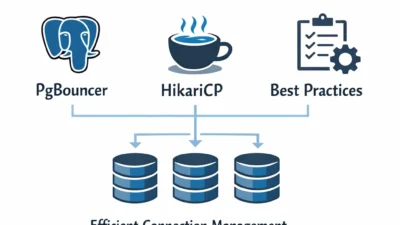
Data Layer Database Database Connection Pooling: PgBouncer, HikariCP, and Best Practices Database connection pooling is one of those topics that feels optional—until your system falls over. Sudden traffic spikes, slow queries,...
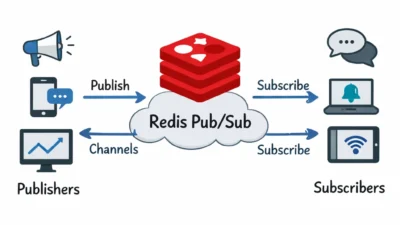
Data Layer Database Redis Pub/Sub for Real-Time Applications Real-time applications need fast, simple message delivery. Redis Pub/Sub provides exactly that: lightweight publish–subscribe messaging with extremely low latency. When...
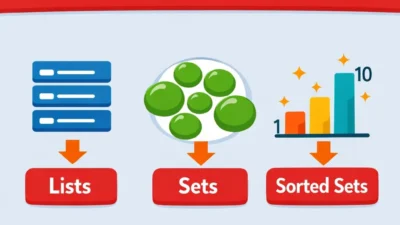
Data Layer Database Redis Data Structures Beyond Caching: Lists, Sets, Sorted Sets Redis is often introduced as a fast in-memory cache, but treating it only as a cache leaves most of its...
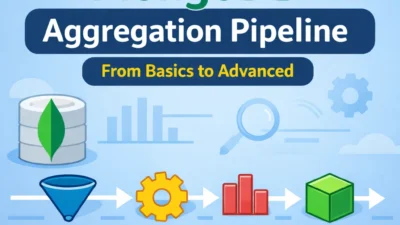
Data Layer Database MongoDB Aggregation Pipeline: From Basics to Advanced MongoDB’s aggregation pipeline is one of its most powerful features—and one of the most misunderstood. It allows you to transform,...